
Amidst ongoing shutdown, SNAP lapse, food recovery is a boon for the environment, too
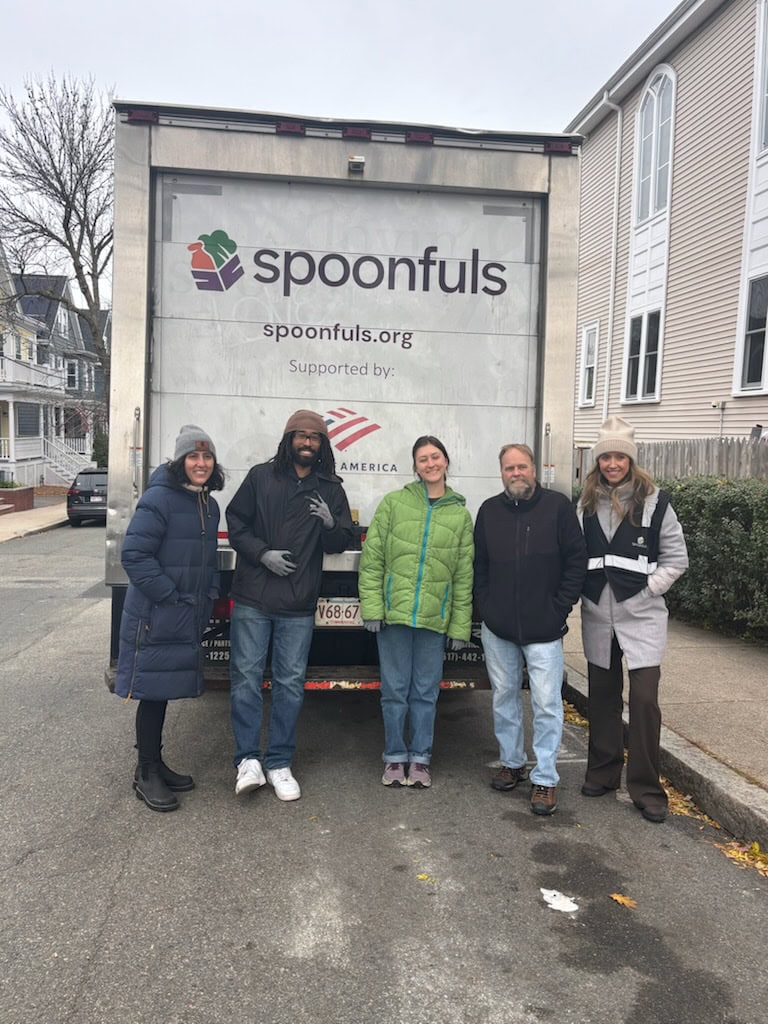
NEWTON, MA – On November 12, MassDEP Commissioner Bonnie Heiple will join staff from food recovery organization, Spoonfuls, along a portion of its route through Charlestown, Somerville, and Medford. With food recovery a key strategy in the state’s Organics Waste Ban and 2030 Solid Waste Master Plan, the work of food recovery organizations in action helps inform MassDEP’s broader strategies around waste reduction and diversion.
Spoonfuls, which recovers still-edible excess or unsold food from grocery retailers, wholesalers, and farms, is presently on track to keep over 6 million pounds of food out of the Commonwealth’s wastestream this year. Spoonfuls’ same-day deliveries reach over 200 community-based food programs across Massachusetts, such as local pantries. The organization has received significant attention amidst ongoing threats to food security — from historic cuts to safety net programs under the “big” bill, to the ongoing government shutdown, to a lapse in SNAP benefits that impacted more than 1 million Massachusetts residents.
“Massachusetts is recognized as a national leader in reducing food waste. Food recovery is a critical part of our commercial food waste ban – and it’s good for the environment, business, and our families. Keeping food out of our landfills reduces methane emissions, creates jobs and economic opportunities, and, most importantly, helps feed hungry families. MassDEP provides financial and technical assistance to communities, organizations and businesses dedicated to reducing and recovering food waste. We are grateful to Spoonfuls and the work they do to connect good, nutritious food to people who need it,” said Commissioner Heiple.
Nationally, roughly a third of all available food goes unsold or uneaten, with the majority going directly to waste (ReFED). MassDEP reports that prior to the implementation of the waste ban in 2014, Massachusetts businesses diverted about 100,000 tons of food waste per year from disposal. As of 2023, they’ve tripled that rate – diverting more than 370,000 tons annually. Currently, businesses generating 1/2 ton or more of waste per week are required to divert it through methods such as waste prevention, food donation, animal feed ,composting, or anaerobic digestion.
While food recovery is only one option for diverting waste under the ban, said Spoonfuls’ Senior Community Relations Manager, Liz Miller, it’s also the first, best option for good food.
“What we hear in conversation with composters, for example, is ‘We’re hauling away things that we know should never have hit the compost pile.’ We know there’s an opportunity to intercept more of that food and get it to people who could use it while it’s still good to eat. People need that food.”
Now MassDEP is reviewing the 2030 Solid Waste Master Plan and assessing additional ways to support the waste ban and expand options for diversion. This review is in the early stages, and MassDEP is having conversations with on-the-ground experts like Spoonfuls and other stakeholders – from food producers to retailers to local government officials – to inform these discussions.
Miller said Spoonfuls leverages the ban in conversations with elected officials, coalition leaders, and especially prospective retail and brand partners as they work to raise awareness of opportunities to leverage food recovery as a sustainability strategy. “We’re saying, ‘This is something you need to comply with, so let’s explore how we can make the most of it! Are there opportunities here to do even better?”