People of Spoonfuls: Michael Devlin, Chief Program Officer at SMOC
Food recovery doesn’t happen in isolation. It takes a community of food donors, community-based organizations, funders, and committed food recovery staff to help make the most of food while it’s still good to eat and get it to those who could use it. In “People of Spoonfuls,” we introduce you to the many people who help make our food recovery work possible.
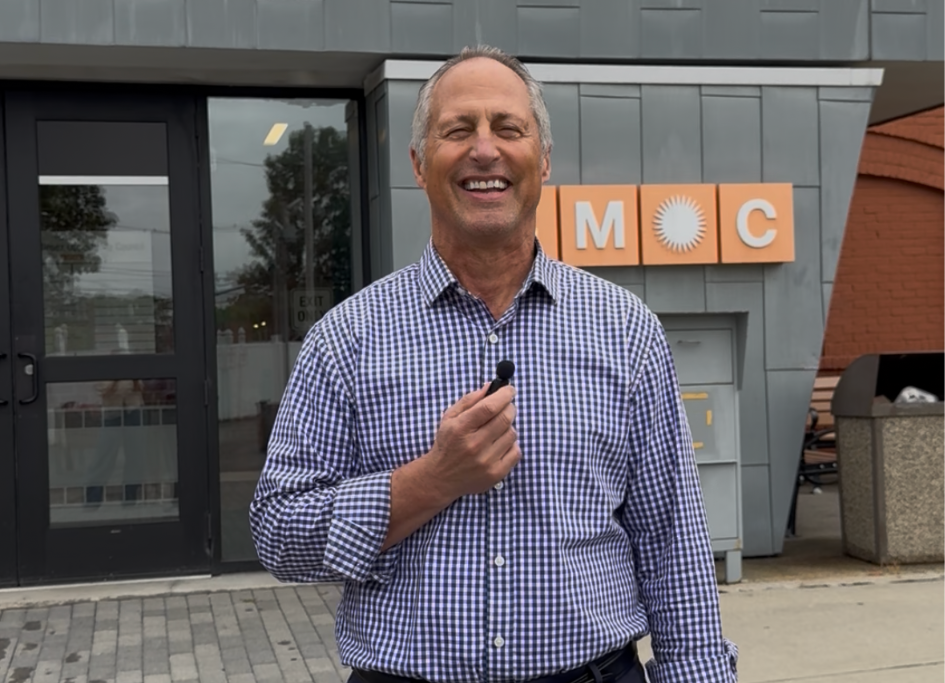
Today, meet Michael Devlin, the Chief Program Officer at South Middlesex Community Council (SMOC).
Tell us a bit about SMOC. What does your organization do?
SMOC is a 60-year-old community action program that provides over 60 different services to low-income and underresourced communities. Our service regions spread far and wide, including MetroWest, Greater Worcester, Greater Springfield, Lowell, Fitchburg, and Leominster. We have the largest food pantry in Western Massachusetts, individual and family shelters, childcare support services, rental and fuel assistance, and much more.
How do SMOC and Spoonfuls work together?
Spoonfuls has been so good to SMOC. Since 2016, Spoonfuls has provided food to 16 programs here. Some of the food goes directly to the programs where we have barely any kitchen or cooking facilities for people to use to make their own meals, so Spoonfuls’ deliveries come in incredibly handy for the programs that serve our clients. So far this year, Spoonfuls has provided 90,000 pounds of food, and last year they delivered a total of 173,000 pounds of food. Over the span of our partnership, they’ve given us enough food to make over 950,000 meals. It’s such a gift to us and the people we serve.
Are there any food items that Spoonfuls delivers that are particularly impactful to the community members you serve?
Our day center serves homeless individuals, many of whom are sleeping in the area because they don’t want shelter. They come in for the healthy food that Spoonfuls provides – that’s what they’re dying for. Vegetables, salads, anything with meat, they’re very interested and grateful to receive. That fresh food preference is true for most of the programs we have.
What is something you wish people better understood about this work?
Food insecurity is a real problem. We just completed our community assessment, which we conduct every three years as required by our funders, and food insecurity was one of the top five concerns – that wasn’t the case in the last assessment we did. Those who may have previously been just getting by are now squarely feeling the squeeze of barriers to food access. Food is one of the pillars in Maslow’s hierarchy of needs – if you can’t find food, you’re not going to be able to function. However, our budgets at SMOC are such that we don’t have a lot of money to purchase healthy food. Getting fresh food from Spoonfuls to meet the most basic needs of those we serve is so impactful.
What’s been one of your favorite experiences as a partner of Spoonfuls?
Last year, I had the pleasure of going to Ultimate Tailgate, and it was such a great event. Spoonfuls has created such an amazing community of chefs, restaurants, and food purveyors in the area that rally around Spoonfuls’ cause. I can’t thank Spoonfuls and their supporters for what they’ve done for SMOC.
What is a way you reduce food waste at home?
When my kids were little, I would repurpose a lot of food in the house. Sometimes they appreciated it, and sometimes they didn’t, but I’m of the mindset that, if food is still good, it can be used in many different ways! So that’s what I did.